Table of Contents
A Complete Guide for Architects, Contractors, Developers & Industry Decision-Makers
In 2025, every industrial project — whether it’s a factory, warehouse, logistics hub, textile unit, manufacturing facility, or processing plant — faces one fundamental question during planning:
Should we choose a PEB (Pre-Engineered Building) or a Conventional Steel Structure?
This decision will affect cost, speed, performance, future expansion, sustainability, and long-term maintenance.
Yet many clients, architects, consultants, and even students still find the comparison confusing.
This blog breaks down everything you need to know — clearly, technically, and engagingly — so you can make an informed, future-proof decision.
First, What Do These Two Systems Mean?
1. PEB — Pre-Engineered Building
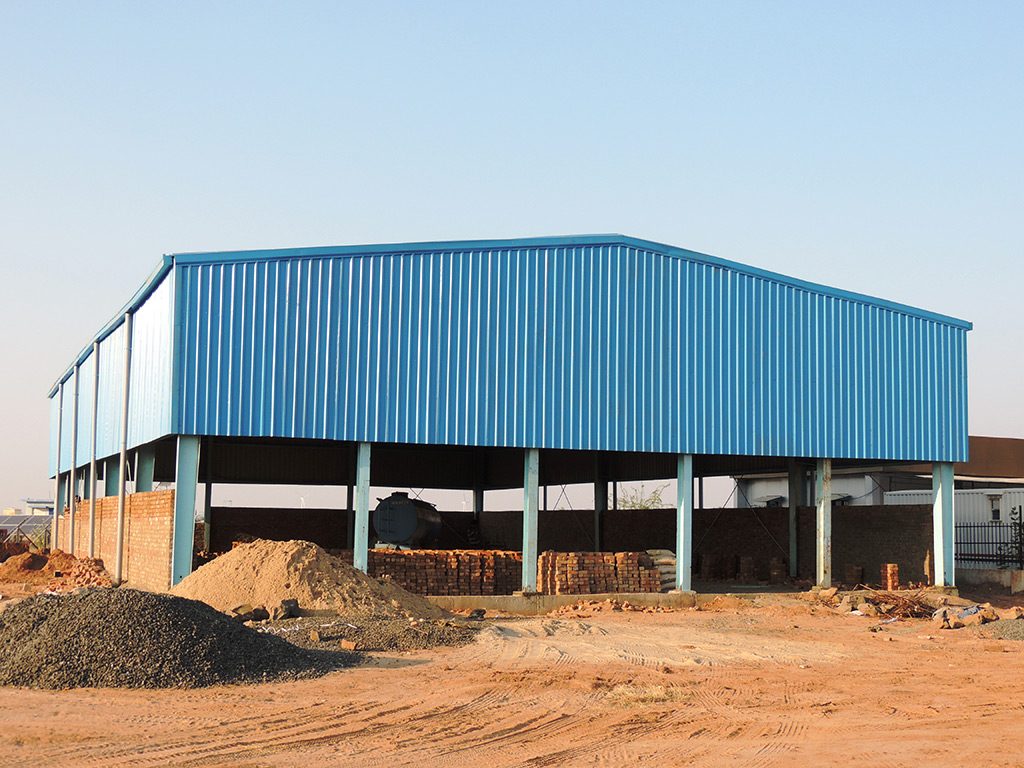
A PEB is a factory-engineered, factory-fabricated building system.
The steel members (columns, rafters, purlins, bracings) are designed for optimised weight and shipped to the site as ready-to-install components.
Think of it like:
- LEGO for industrial sheds
- Precision-engineered steel
- Less material, faster installation, lower cost
PEB is widely used in:
- Warehouses
- Large-span industrial sheds
- Workshops
- Cold storage
- Garment & textile units
- Logistics & e-commerce hubs
2. Conventional Steel Building
This is the traditional method:
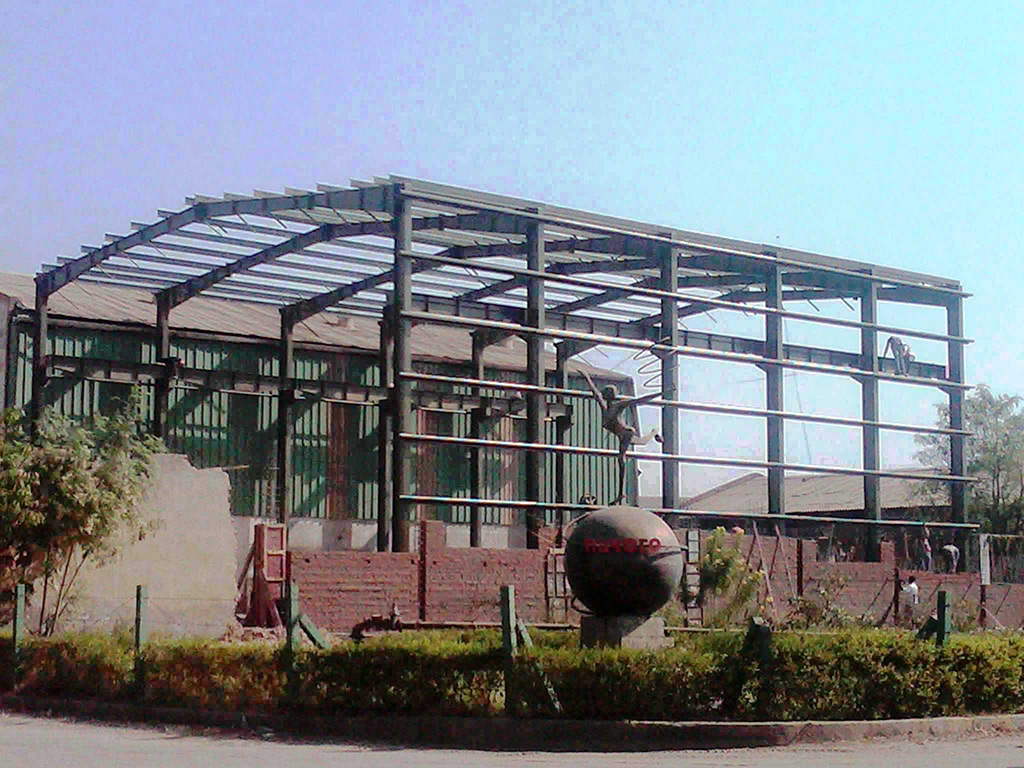
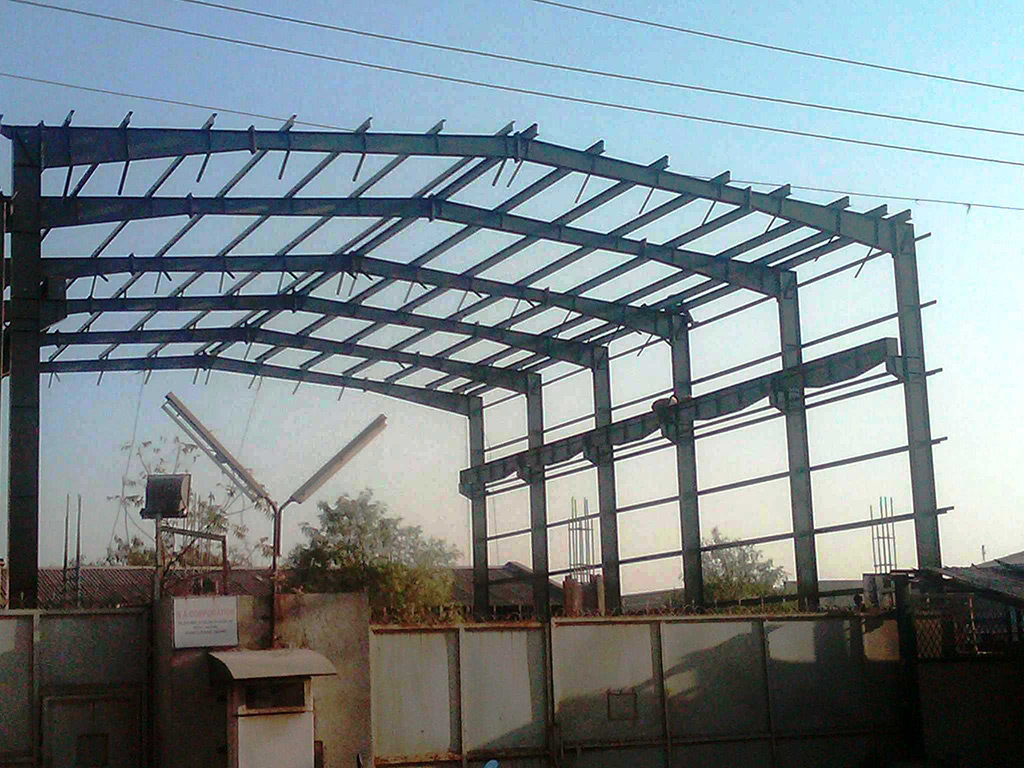
Steel sections are fabricated on site or partially in a basic workshop, cut & welded manually, and erected using cranes.
It offers more freedom, but demands:
- More time
- More on-site labour
- More welding joints
- Higher overall cost
Used commonly in:
- Heavy industrial plants
- Multi-storey factories
- Special load requirements
- Complex custom geometry
PEB vs Conventional Steel: The Ultimate 2025 Comparison
Below is the most actionable comparison you’ll find — simplified yet technically correct.
1. Project Speed
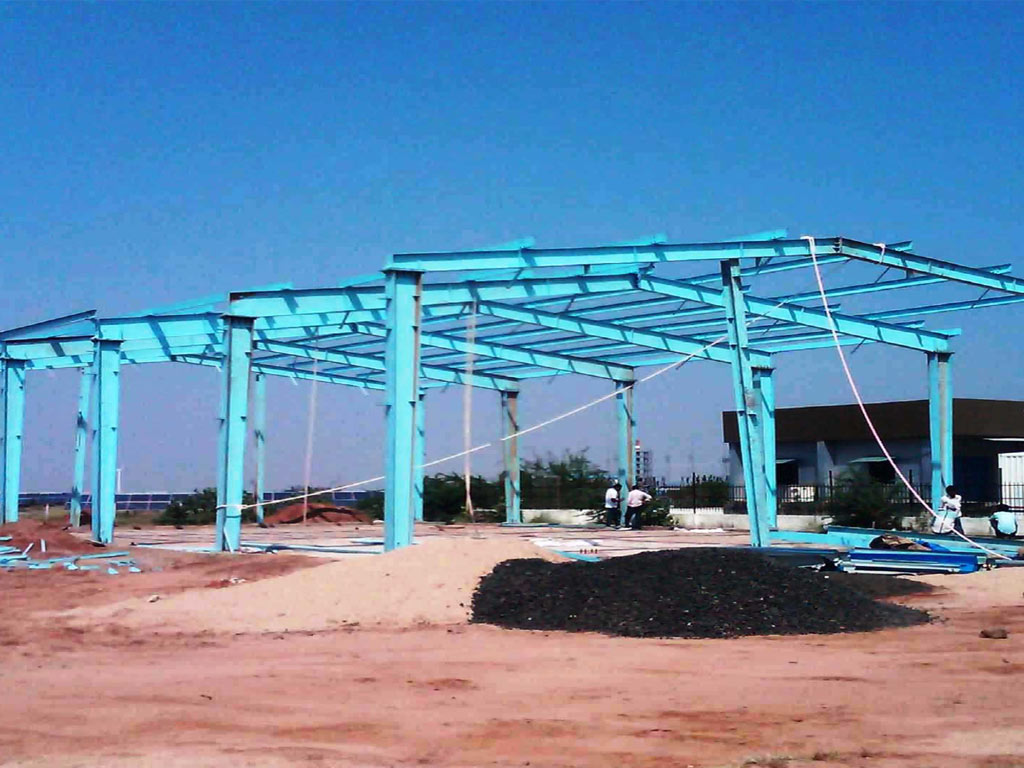
PEB — Ultra Fast (50–60% Faster)
- Factory-made components
- On-groundwork & fabrication happen simultaneously
- Bolted connections = rapid assembly
Conventional Steel — Slow
- Workshop cutting, welding, grinding, alignment = time-consuming
- On-site weather delays
- Manual welding increases time
Winner: PEB — ideal when deadlines matter.
2. Cost & Budget Efficiency
PEB
- Optimized design = 30–35% less steel
- Lower labour requirement
- Lower crane & equipment cost
- Zero material wastage
- Predictable budget (no surprise extras)
Conventional Steel
- More steel consumption
- More welding, grinding, and painting costs.
- More on-site wastage
- High labour overhead
Winner: PEB — especially for cost-sensitive industrial clients.
3. Strength, Performance & Load Handling
PEB
- Designed using tapered members → material only where needed.
- Excellent for medium & large-span roofs (20–60m)
- Perfect for warehouses & logistics units
Conventional Steel
- Excellent for very heavy loads, cranes, furnaces, mezzanines, and power plants
- Standard hot-rolled sections with high stiffness
Winner: Tie — depends on load.
PEB for normal to moderate loads.
Conventional for extremely heavy-duty industries.
4. Accuracy & Quality Control
PEB
- Fully engineered with software (STAAD, Tekla, MBS)
- Fabricated on automated CNC lines.
- Precise, consistent, predictable quality
Conventional Steel
- Quality depends heavily on workshop skill.
- Manual welding = variable accuracy
- More chances of misalignment, rework
Winner: PEB — superior precision.
5. Weather Resistance & Durability
PEB
- Factory-applied paint systems
- Long-lasting coatings
- Bolted connections reduce corrosion issues
Conventional Steel
- Site painting often inconsistent
- Welding joints prone to microcracks
- More exposed surfaces
Winner: PEB — better long-term performance.
6. Ease of Expansion / Future Growth
PEB
- Easily extendable
- Modular design
- Perfect for industries that grow each year
Conventional Steel
- Expansion often requires re-engineering
- Structural changes are expensive
Winner: PEB — future-ready.
7. Aesthetics, Finishes & Modern Appearance
PEB
- Clean, sharp looks
- Compatible with:
- Cladding
- PUF panels
- Aluminium facades
- Louvers
- Skylights
- Ultra-modern industrial visuals
Conventional Steel
- More rugged
- Works for heavy plants, not ideal for modern architecture
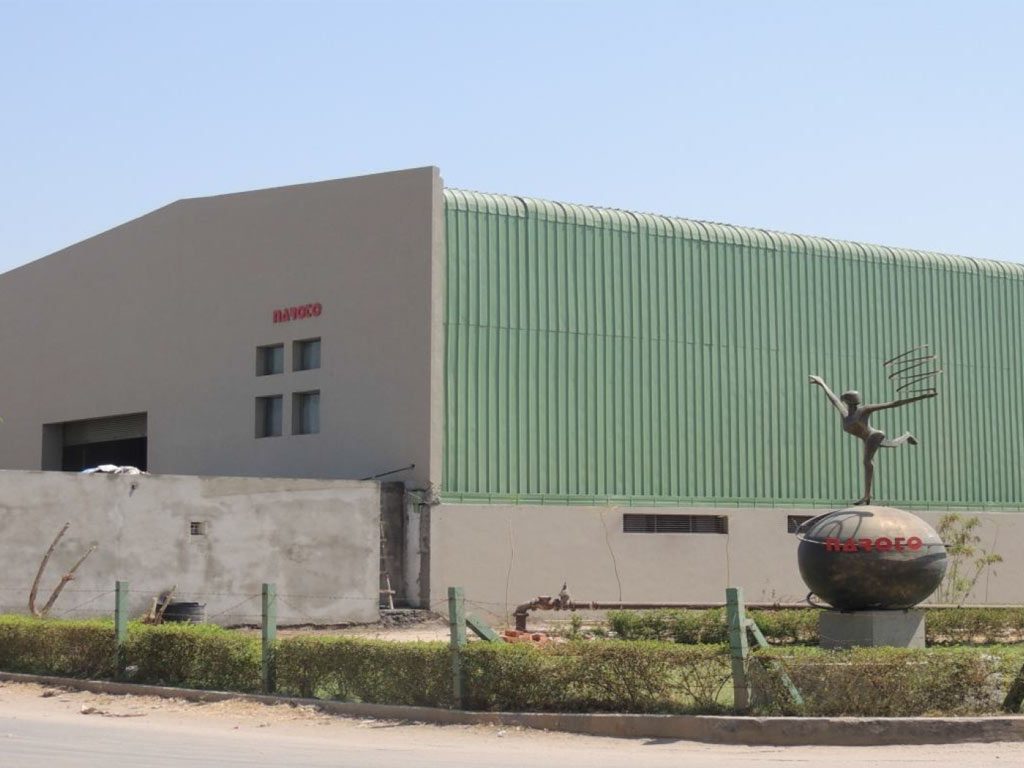
Winner: PEB — superior aesthetics.
Final Verdict: Which Should You Choose in 2025?
A simple rule of thumb:
Choose PEB if you want:
- Fast construction
- Cost efficiency
- Large clear spans
- Modern industrial aesthetics
- Standardised warehouse or factory
- Future expansion flexibility
Choose Conventional Steel if you need:
- Extremely heavy load capacity
- Multi-level or complex geometry
- High-temperature processes (boilers, reactors, furnaces)
- Specialised industrial requirements
2025 Trends: Why PEB Adoption Is Exploding in India
The industry is shifting rapidly. Reasons:
- E-commerce & logistics boom
- Demand for fast warehousing
- Real-estate investors prefer quick ROI.
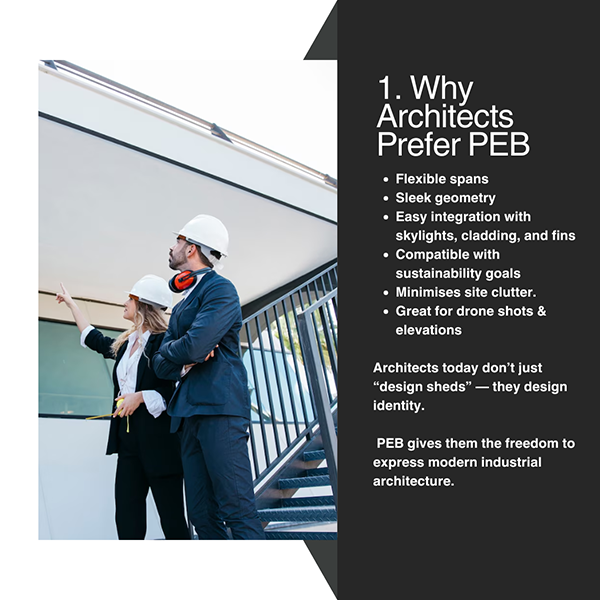
- Architects love the clean aesthetic.
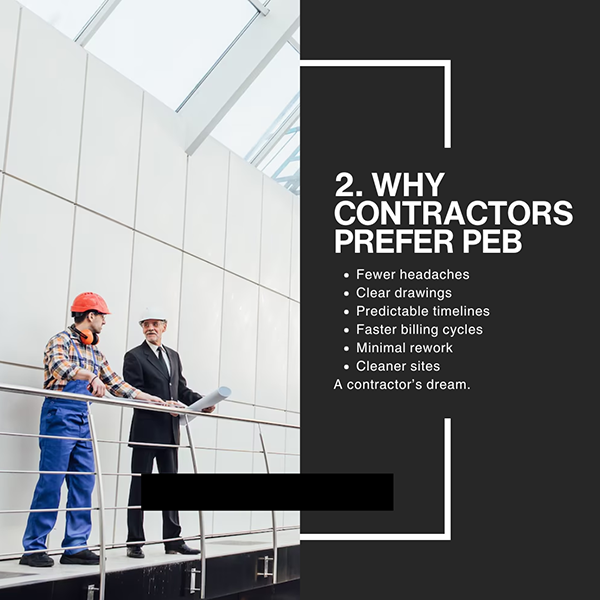
- Contractors want predictable timelines.
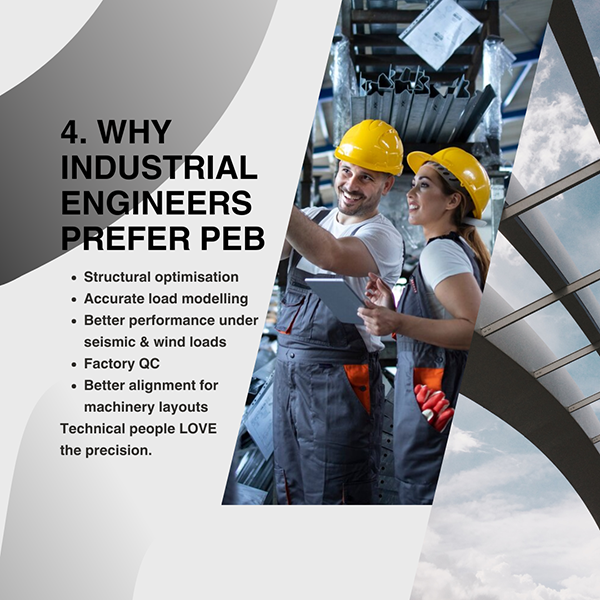
- Engineers prefer high precision fabrication.
- Factories want maintenance-free buildings.
PEB has effectively become the Tesla of industrial buildings — fast, efficient, smart, and the future.
A Story to Understand It Better (For Students & New Entrants)
Imagine you’re building a giant Lego house.
PEB = Perfectly cut Lego blocks from the factory.
You only assemble them.
Conventional Steel = You cut and shape each Lego block yourself.
Then hope they fit.
Which one would you trust to stand stronger, look better, and finish faster?

Conclusion: The Future Belongs to PEB
Ready to Design the Future of Your Building
In 2025 and beyond, PEB is no longer an alternative — it’s the new industry standard.
Conventional steel has its place, but for 90% of industrial projects, PEB delivers:
- Lower cost
- Higher speed
- Higher accuracy
- Better sustainability
- Better performance
If you’re planning an industrial building, PEB should be your first consideration — and conventional steel only if you truly need custom heavy-duty engineering.